
What is Pedodontics?
Pedodontics, also known as pediatric dentistry, focuses on the oral health of children from infancy through adolescence.
Dentists can address the unique dental needs of children, including preventive care, treatment of dental issues, and fostering a positive attitude toward dental visits.
Why is Pediatric Dental Care Important?
Children’s teeth are more susceptible to decay and other dental issues due to their developing oral structures and habits like sugary diets.
Regular dental check-ups and preventive care help ensure healthy teeth and gums, prevent complications, and establish good oral hygiene habits early in life.
*** Focus layout design and kids element
Helping Kids Feel Comfortable at Our Dental Office
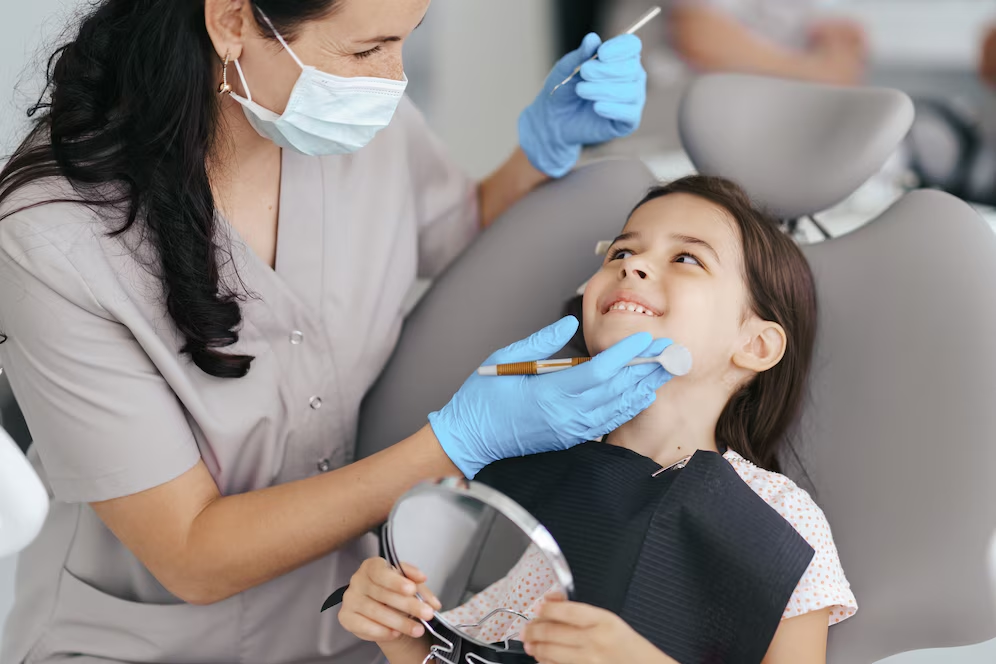
We understand that dental visits can be intimidating for children. The unfamiliar chair, strange equipment, and having treatments in their mouth often create anxiety. Our team is committed to soothing their fears, easing their concerns, and helping them grow comfortable with dental care. Our goal extends beyond treatment—we want to foster a positive attitude toward dental health that will benefit them throughout life.
Our Child-Friendly Approach
Friendly Introduction
Your child will be welcomed with warm smiles from our entire team. To create a comfortable atmosphere, we let each child select their favorite music to play during the appointment, helping them feel more relaxed and at ease.
Simple Explanations
We break down dental procedures into easy-to-understand language. “This tool helps count sugar bugs on your teeth” makes more sense than technical terms.
Preview Everything
No surprises and uncertainties here! We’ll show each tool before using it and explain what it does in child-friendly terms. Knowing what comes next reduces fear of the unknown.
Comfort Items
We provide soft cushions and squeeze toys that help redirect nervous energy during treatment. These simple comfort items help children manage their anxiety while staying still in the dental chair.
Praise that Matters
We celebrate every achievement, no matter how small. “You kept your mouth open so well!” acknowledges your child’s cooperation and builds confidence.
Gradual Progress
First visits focus on building trust. We might just count teeth and practice opening wide, saving more involved procedures for when your child feels secure.
Parent Partnership
We value your presence during the appointment and will guide you on the most helpful ways to support your child.
Break Signals
We teach a simple signal that gives your child control to pause when needed—empowerment reduces anxiety.
Choices When Possible
Offering small choices helps children feel respected and involved in their care.
Rewards for Bravery
Every child leaves our office with a special sticker or small prize to celebrate their dental visit. These little tokens of appreciation help create positive associations with dental care and give children something to look forward to at each appointment.
Different Pediatric Dental Procedures:
- Oral Examinations: Regular check-ups to monitor dental development and detect issues early.
- Dental Cleanings: Professional cleaning to remove plaque and tartar buildup.
- Fillings: Treating cavities to prevent further decay.
- Root Canal Treatment for Primary Teeth: Saving severely decayed or infected baby teeth.
- Extractions: Removing damaged or problematic teeth.
- Space Maintainers: Preserving space for permanent teeth after premature loss of baby teeth.
- Crowns: Restoring severely decayed teeth with metal or composite crowns.
- Orthodontic Appliances: Addressing early bite or alignment issues.
- Tooth is far from natural exfoliation
- Tooth near natural exfoliation (within 6-12 months)
- Decay is limited to part of the pulp (partial pulpitis)
- Complete pulp necrosis or extensive infection
- Adequate tooth structure remains for restoration
- Non-restorable tooth structure
- No evidence of periapical infection or bone loss
- Abscess, fistula, or significant bone loss present
- Child can tolerate procedure
- Patient unable to tolerate lengthy procedure
Space Maintenance:
- Consider space maintainer if extracting primary molars
- Not typically needed for anterior teeth or teeth near exfoliation
Professional Recommendation:
Consult with a dentist for personalized treatment planning based on clinical and radiographic examination.
Pediatric dentistry plays a vital role in ensuring your child’s oral health and overall well-being. For more information or to schedule an appointment, contact our dental clinic today.