Dental Scaling
Benefits of Scaling
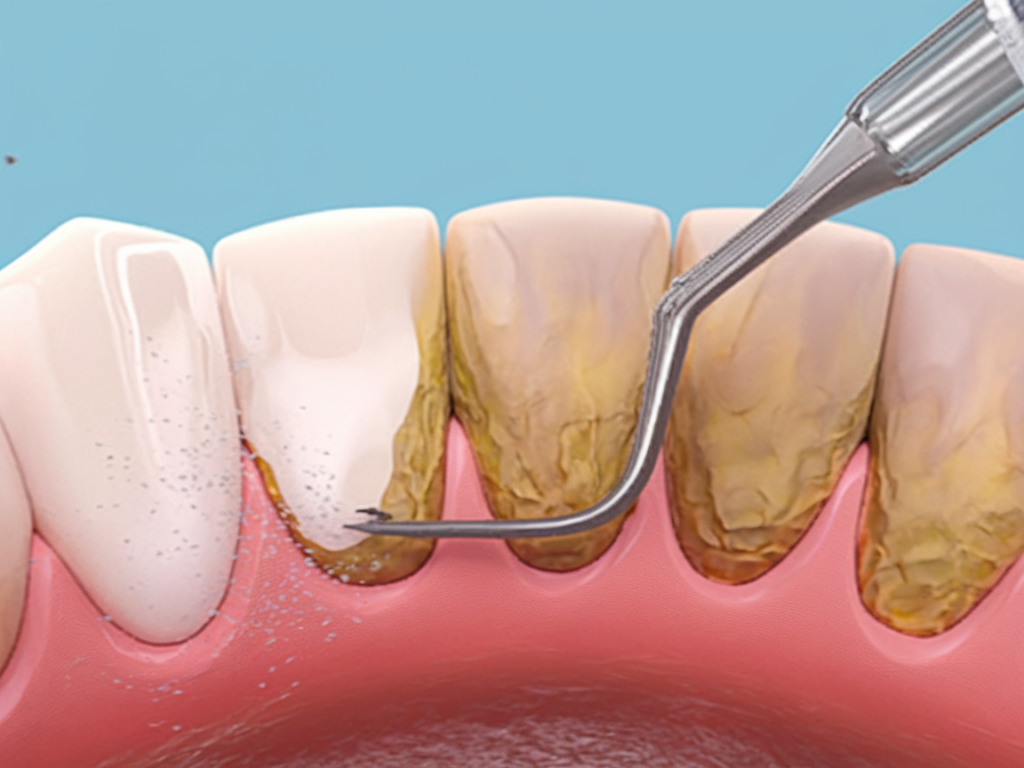
- Removes plaque and calculus:
Plaque is a sticky film of bacteria that hardens into calculus over time. Scaling effectively removes these deposits, preventing gum disease and tooth decay. - Removes surface stains:
Scaling can eliminate discoloration caused by food, beverages (e.g. coffee, tea), and smoking, restoring the natural whiteness of teeth. - Early detection of dental issues:
During the scaling process, dentists can identify early signs of oral health problems, such as cavities, gum disease, or oral infections, allowing for timely intervention. - Promotes gum health:
By removing calculus and bacteria, scaling helps reduce inflammation and prevents the progression of gum disease.
Scaling Treatment Process
- Comprehensive Oral Examination:
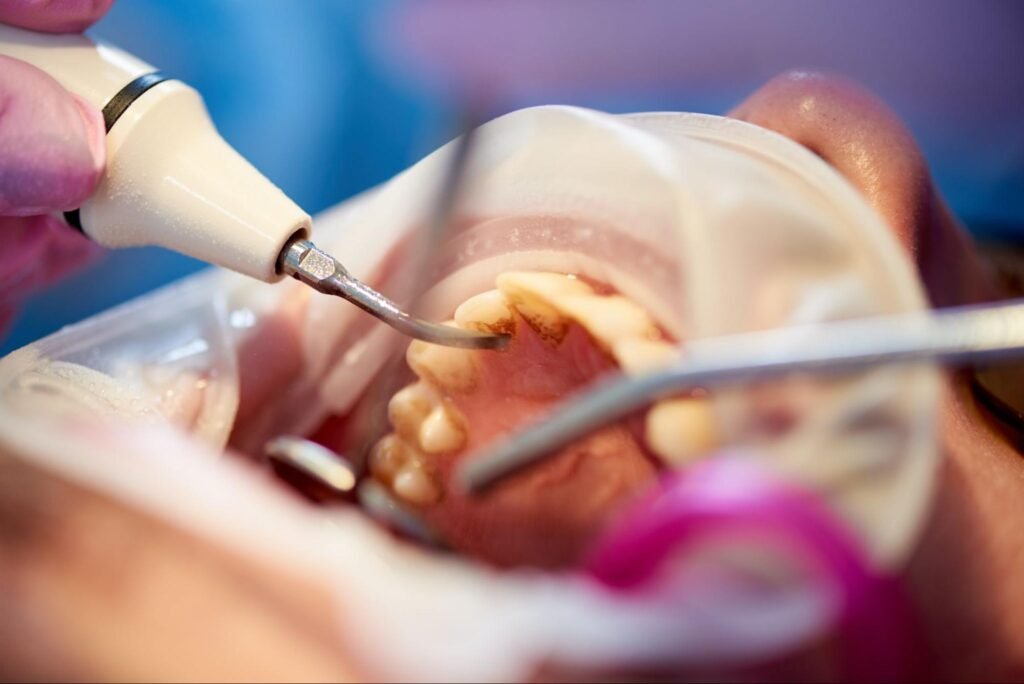
Assesses the teeth and gums to evaluate oral health and determine the extent of cleaning required. - Ultrasonic Scaling:
Ultrasonic instruments are used to break down and remove plaque and calculus. - Professional Prophylaxis:
Teeth are polished using air polishing technology, which combines fine sodium bicarbonate powder or polishing paste with water to remove surface stains and smooth the tooth surfaces. - Personalized Oral Health Guidance:
Provides tailored advice on maintaining oral hygiene.
Can scaling whiten teeth?
Scaling removes surface stains caused by plaque, calculus, and external factors like coffee, tea, or smoking, which can make teeth appear brighter and cleaner naturally.
However, it is not a whitening treatment. For significant whitening, professional teeth whitening procedures or cosmetic treatments are recommended.
Does scaling damage enamel?
No, scaling does not damage enamel.
Enamel is the hardest substance in the human body and is not affected by the ultrasonic vibrations used during scaling. The procedure is designed to remove only plaque and calculus, leaving the enamel intact.
Why do teeth feel sensitive after scaling?
Sensitivity after scaling occurs because the removal of calculus exposes the root surfaces of teeth, which are not protected by enamel. This sensation is temporary and usually subsides within a few days or weeks.
Using desensitizing toothpaste and avoiding extreme temperatures in food and beverages can help alleviate discomfort.
Does scaling widen gaps between teeth?
No, scaling does not widen gaps.
The removal of calculus and reduction of gum inflammation may create the illusion of wider gaps, but this is not an actual change in tooth structure. In fact, scaling helps maintain gum health and prevents the progression of gum disease, which can lead to gaps over time.
How often should I get scaling?
Most individuals should undergo scaling every 6 to 12 months.
However, high-risk individuals, such as those with gum disease, diabetes, or a history of smoking, may need scaling every 3 to 6 months. Your dentist will recommend the appropriate frequency based on your oral health condition.
Who needs more frequent scaling?
Individuals with the following conditions should undergo scaling more frequently:
- Gum disease (gingivitis or periodontitis): To prevent further progression.
- Diabetes: Diabetics are more prone to gum disease.
- Smokers: Smoking increases the risk of calculus buildup and gum disease.
- Pregnant women: Hormonal changes during pregnancy can increase the risk of gum inflammation.
- Orthodontic patients: Braces can make it harder to clean teeth effectively, leading to plaque buildup.
Will it hurt a lot during scaling?
Scaling is generally not painful, especially if your oral hygiene is good.
However, some patients may experience mild discomfort, sensitivity, or bleeding, particularly if they have gum disease, extensive calculus buildup, or sensitive teeth. If you feel any pain, inform your dentist immediately so they can adjust the procedure or provide additional care.
Can scaling help with bad breath?
Yes, scaling can significantly improve bad breath (halitosis) by removing the bacteria and calculus that cause unpleasant odors. These bacteria produce sulfur compounds, which are the primary cause of bad breath. Scaling also helps prevent gum disease, a common contributor to halitosis.
However, persistent bad breath may also be linked to systemic conditions like diabetes, liver or kidney disease, dry mouth (xerostomia), or respiratory and digestive issues.